Why Showing Up Alone Is the Bravest First Step for Gay Men Building Real Community
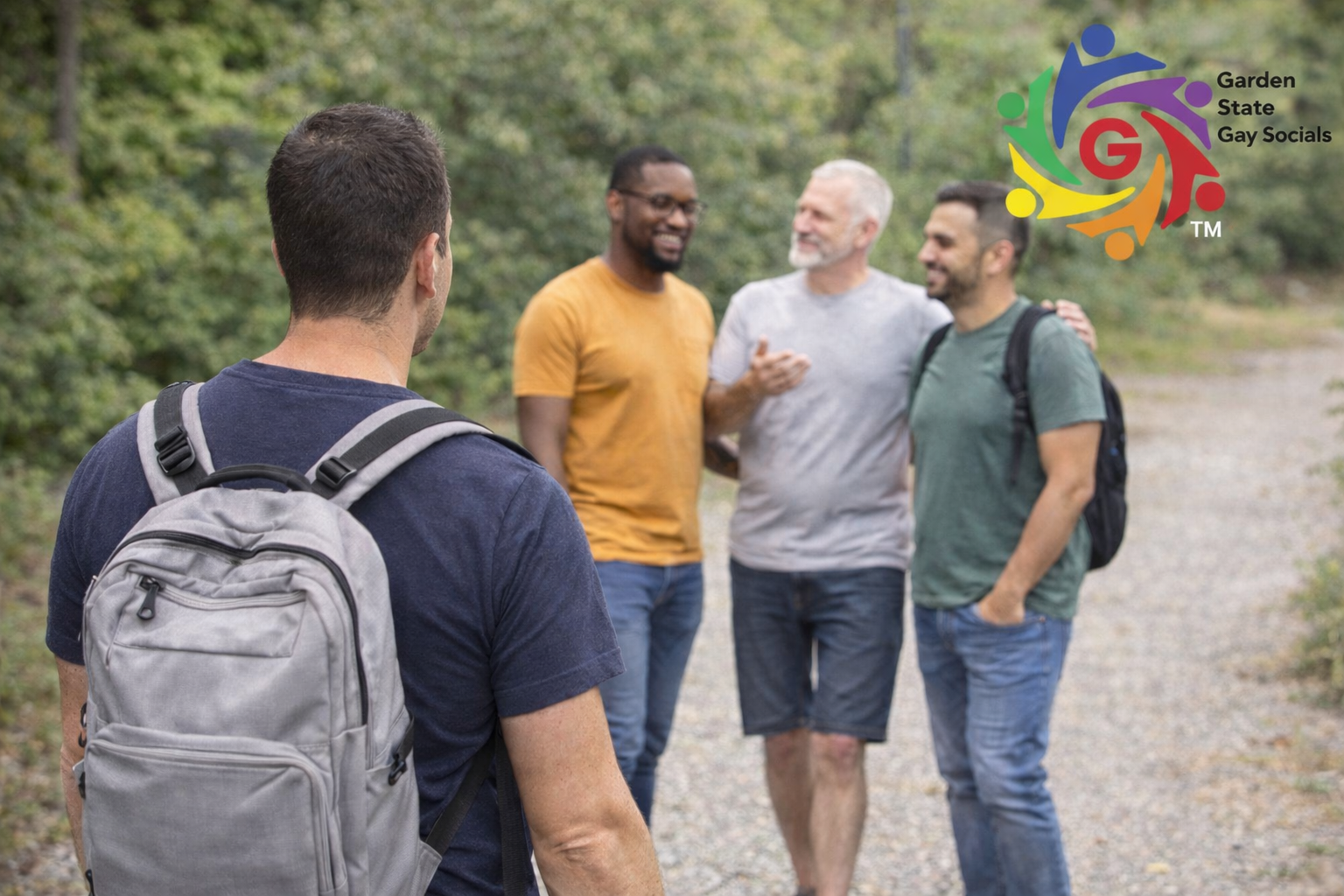
For many gay men, the hardest part of building a social life isn’t conversation, confidence, or even finding events. It’s something far quieter and more vulnerable: showing up alone.
It’s the moment before leaving the house. The pause while putting on your shoes. The thought that creeps in and says, “What if everyone already knows each other?” “What if I feel awkward?” “What if I don’t belong?” That hesitation has stopped more gay men from building community than almost anything else.
And yet, showing up alone is also the single most powerful step a man can take toward real connection.
Across New Jersey, New York, and Pennsylvania, more gay men are quietly realizing that friendship doesn’t start with certainty. It starts with presence. It starts with walking into a space not knowing exactly how things will unfold—and trusting that something good might happen anyway.
The Silent Fear Most Gay Men Don’t Talk About
Gay men are often expected to be socially confident. Outgoing. Comfortable in crowds. But that expectation hides a deeper truth: many gay men learned early in life to be cautious.
To read rooms carefully.
To assess safety before speaking.
To adapt, blend in, or stay guarded.
Even after coming out, those instincts don’t disappear. They resurface most strongly when we’re alone in unfamiliar spaces.
Showing up solo activates vulnerability. There’s no buffer. No familiar face to lean on. No guarantee of comfort. That’s why the fear feels so personal—and why it’s so common.
The irony is that almost everyone in the room has felt that same fear at some point. The difference isn’t confidence. It’s repetition.
Why Waiting for the “Right Time” Keeps Men Stuck
Many gay men delay building community because they believe they’ll feel ready later.
Later when they know someone.
Later when they feel more confident.
Later when life slows down.
Later when the group is bigger.
But community doesn’t appear once conditions are ideal. Readiness comes after you show up.
Friendship-first communities exist precisely because so many men feel this hesitation. They are built for men who arrive solo. They expect it. They design for it. They grow through it.
The men who feel most comfortable today were once the men standing alone at their first event, quietly wondering if they’d made a mistake.
Showing Up Alone Is an Act of Courage
In a culture that celebrates confidence and visibility, showing up alone can feel like weakness. In reality, it’s one of the strongest things a person can do.
Showing up alone means choosing growth over avoidance, connection over comfort, and possibility over fear.
Every real community is built by people who were once new. Belonging is not something you arrive with. It’s something that forms over time through presence.
The Myth That Everyone Else Has It Figured Out
One of the most damaging assumptions gay men make is that everyone else is more socially secure.
The truth is simpler: most people feel nervous at first.
What changes isn’t personality—it’s familiarity.
Men who seem comfortable today didn’t start that way. They became comfortable because they kept showing up.
Why Friendship-First Spaces Matter
Friendship-first communities change what it means to show up alone.
When friendship is the priority:
There’s no pressure to perform.
New faces are expected.
Conversation isn’t forced.
Respect becomes the norm.
This creates emotional safety. And safety is what allows people to relax.
Consistency Turns Anxiety Into Belonging
Social anxiety thrives on uncertainty. Consistency reduces it.
When events repeat—breakfasts, hikes, dinners—the unknown becomes familiar.
Over time, showing up alone stops feeling like a risk and starts feeling normal.
Why Smaller Groups Make It Easier
Large events amplify anxiety. Smaller, consistent groups soften it.
In smaller settings, conversations are manageable and everyone is visible.
The First Conversation Isn’t the Most Important
Community isn’t built in one interaction. It’s built across many small ones.
The Mental and Emotional Benefits
Men who show up consistently often experience reduced loneliness, increased confidence, and emotional stability.
Why Geography Matters
Real community requires realistic geography. That’s why Garden State Gay Socials focuses on New Jersey, with nearby New York and Pennsylvania participation.
What Happens After the First Step
Once a man shows up alone and has a positive experience, momentum builds.
Eventually, he becomes the familiar face welcoming someone else.
Garden State Gay Socials and the Courage to Begin
Garden State Gay Socials exists to make that first step easier.
Through breakfasts, dinners, hikes, and trips, men build friendship-first community.
Conclusion
Showing up alone is not a failure. It’s the beginning.
If you’ve been waiting, this is your reminder that belonging begins with presence.
Visit https://gardenstategaysocials.com to create a free membership, sign up for the newsletter, and take the first step.
Leave A Comment
Please login to add a comment!
Comments (0)