The Quiet Power of Showing Up: How Gay Men Are Rebuilding Real Community in New Jersey
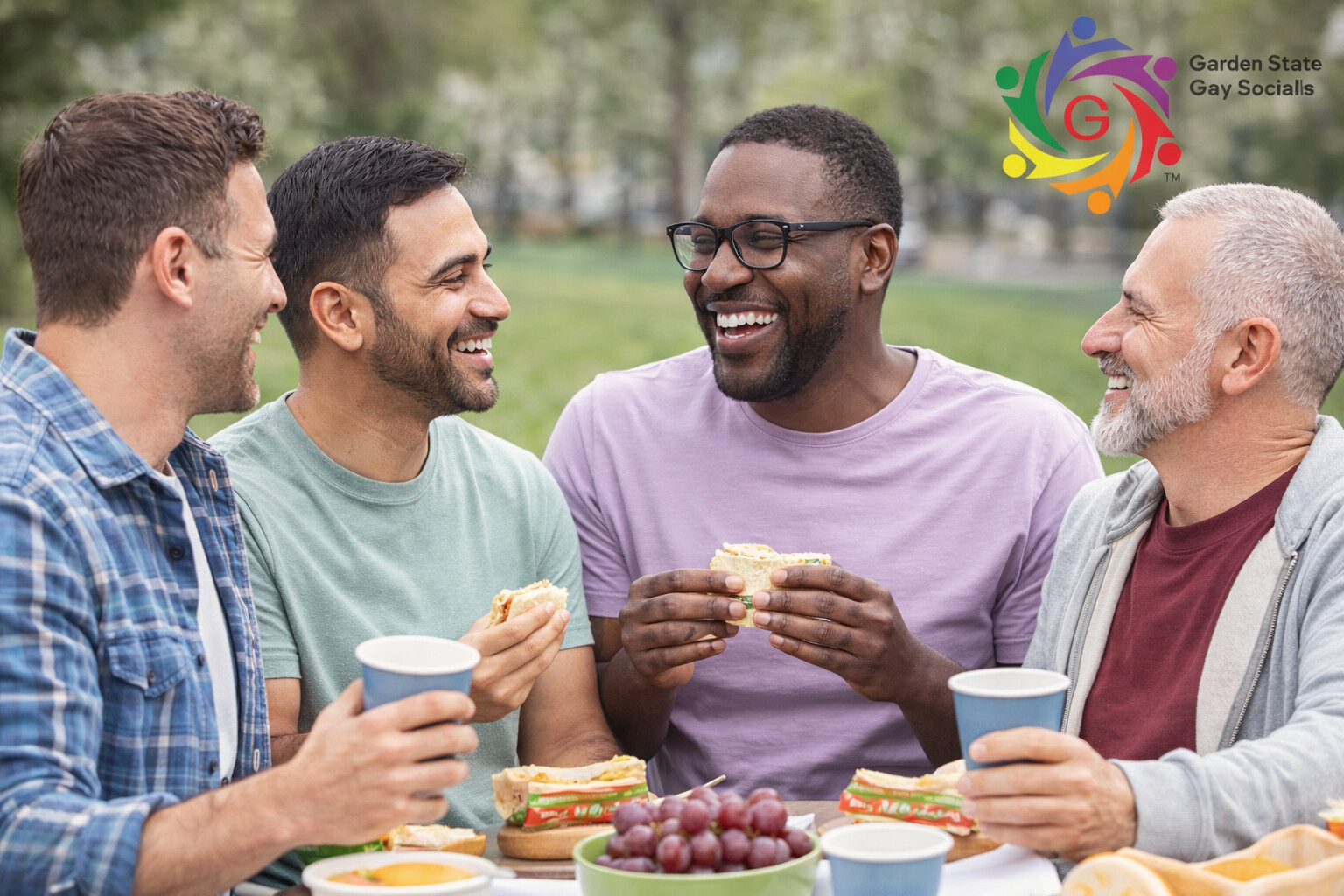
For many gay men today, connection feels harder than it should. Technology promised to bring people together, yet many men feel more isolated than ever. Dating apps are full of faces but short on familiarity. Large events offer excitement but rarely continuity. After the noise fades, what remains is often the same quiet question: where do real friendships actually come from?
Across New Jersey and neighboring states, a shift is happening. Gay men are rediscovering something deeply human and profoundly effective — consistent, friendship‑first community. Not flashy. Not transactional. Just real people, showing up regularly, and allowing relationships to grow naturally over time.
This article explores why friendship‑first gay communities are becoming essential, how they differ from traditional social models, and why consistency — not scale — is quietly changing men’s lives.
The Modern Gay Social Paradox
Gay men are more connected than ever digitally, yet many report feeling socially disconnected in real life. Apps create constant motion without momentum. You meet someone once, maybe twice, then the thread disappears. Events promise hundreds of attendees, but few recognizable faces the next time around.
This paradox creates social fatigue. Men expend energy introducing themselves repeatedly, explaining who they are again and again, without building the familiarity that turns acquaintances into friends.
Community, however, works differently. It thrives on repetition.
Why Big Events Rarely Create Belonging
Large events are designed for spectacle. They rely on novelty, volume, and excitement. While they serve a purpose, they are structurally limited when it comes to building trust.
In big crowds:
• Conversations are short and distracted
• Social pressure is high
• Quieter personalities get lost
• There is little expectation of seeing the same people again
Without continuity, there is no incentive to go deeper. People remain polite strangers.
Friendship cannot form under constant performance.
Consistency Is the Missing Ingredient
Humans bond through repeated exposure. Seeing the same faces reduces anxiety and increases openness. Familiarity builds safety.
When men attend recurring social experiences — breakfasts, hikes, dinners, walks — the dynamic changes. The goal is no longer to impress. The pressure dissolves. People relax.
You start conversations where you left off. You remember names. You notice absences. That is community.
Why Friendship‑First Matters for Gay Men
Many gay men grow up without built‑in social pipelines. Traditional structures — school networks, family‑centered friendships, neighborhood communities — often don’t transfer cleanly.
As adults, gay men are left to construct community intentionally. When that effort is outsourced entirely to apps or nightlife, something essential is lost.
Friendship‑first communities fill that gap by offering:
• Emotional safety
• Predictable connection
• Shared routines
• Space for authenticity
They allow men to be fully human, not curated profiles.
The Power of Smaller Groups
Smaller, consistent groups outperform large gatherings when it comes to meaningful connection.
In smaller settings:
• Everyone is seen
• Conversations have space
• Trust builds faster
• Social hierarchies fade
Friendships don’t need hundreds of people. They need presence.
Showing Up Changes Everything
One of the most transformative aspects of consistent community is accountability — not the pressured kind, but the gentle expectation of presence.
When people expect to see you, you matter.
Men who regularly attend friendship‑first groups report:
• Reduced loneliness
• Increased confidence
• Better mental health
• A stronger sense of belonging
These benefits compound over time.
Community Is Built, Not Discovered
Real community does not appear overnight. It is built slowly, intentionally, and with care.
It requires:
• Clear values
• Consistent opportunities
• Respectful boundaries
• Patience
Garden State Gay Socials was created with this understanding. The focus is not scale, but quality. Not speed, but sustainability.
A Healthier Model for Gay Social Life
Friendship‑first communities are not anti‑dating or anti‑fun. They simply remove urgency.
When friendship comes first:
• Romantic connections are healthier
• Rejection carries less weight
• People feel safer
• Pressure decreases
Connection becomes a byproduct, not a demand.
The Long‑Term Impact
Men who build stable friendships experience greater life satisfaction. They navigate aging, career shifts, and personal challenges with support.
Community becomes a foundation, not a phase.
Why This Model Is Growing
Across New Jersey, New York, and Pennsylvania, more men are seeking substance over spectacle.
They want:
• Familiar faces
• Real conversations
• Reliable social outlets
• Respectful environments
Friendship‑first communities meet these needs quietly and effectively.
Final Thoughts
Big events create moments. Consistent communities create lives.
For gay men seeking more than surface‑level connection, friendship‑first groups offer something rare and powerful — belonging.
Visit https://gardenstategaysocials.com to create a free membership, sign up for the newsletter, and explore a community where showing up matters.
Leave A Comment
Please login to add a comment!
Comments (0)